Food Vacuum Bags for Freshness Preservation: How to Choose the Right Bag for Different Foods
Food vacuum bags are not simply packaging materials. The right bag can determine how effectively food is protected from air, moisture, freezer burn, odor transfer, and handling damage during storage and transportation. For food processors, restaurants, meal-preparation businesses, supermarkets, and packaging distributors, choosing a suitable vacuum bag requires more than comparing thickness or price.
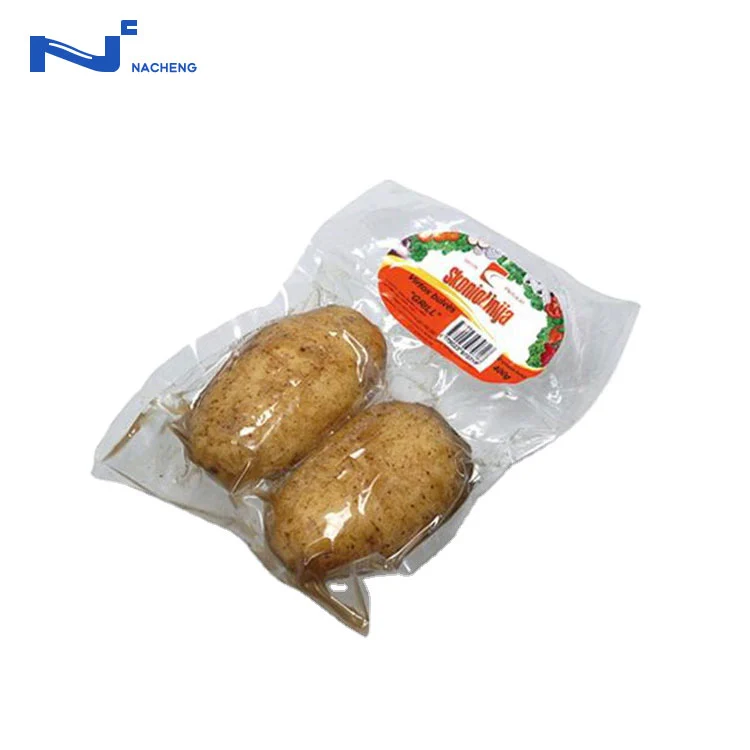
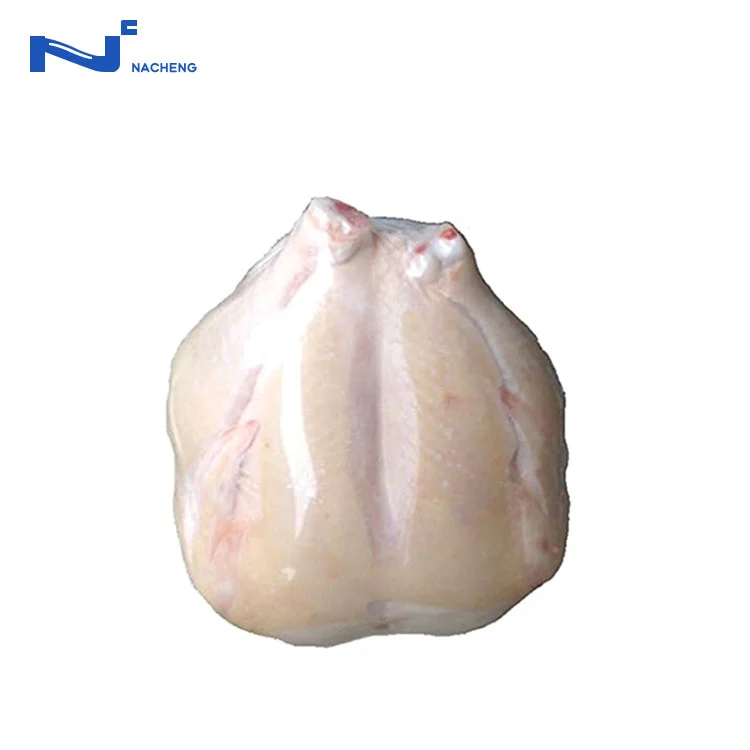
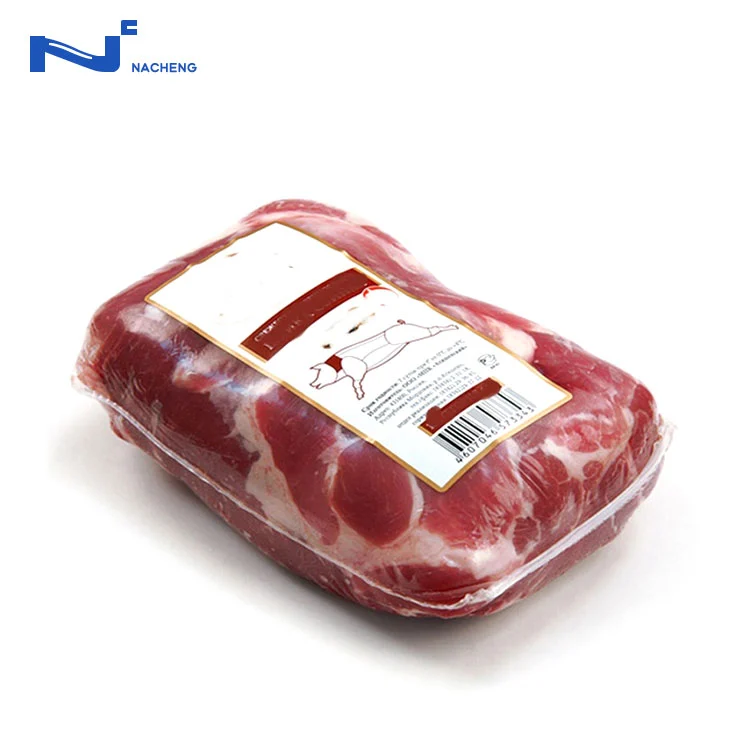
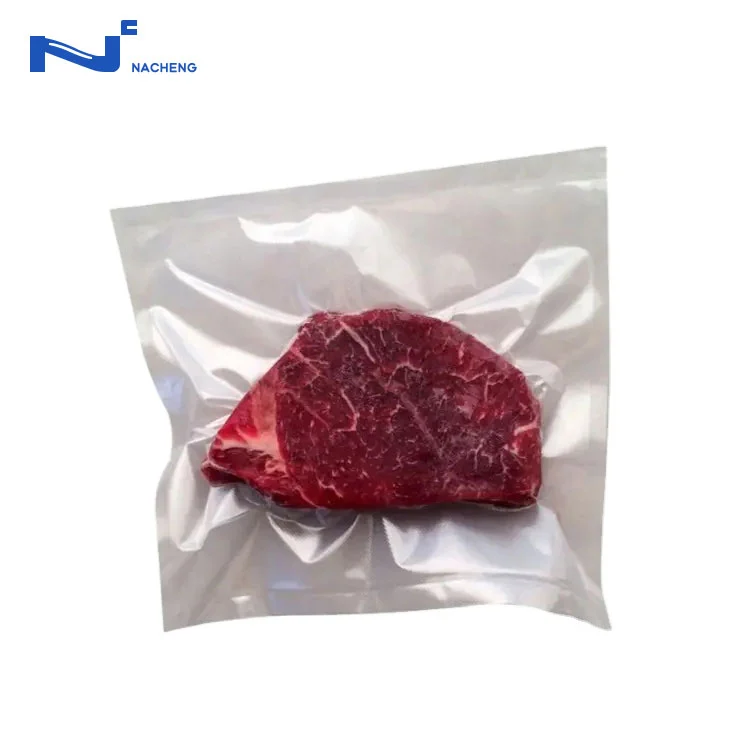
Food Vacuum Bags for Freshness Preservation are designed to work with vacuum sealing equipment to remove most of the air around the food before sealing. This helps slow oxidation and reduces exposure to external contaminants, while the sealed structure provides an additional barrier during refrigerated or frozen storage.
Why Vacuum Bags Help Extend Food Storage Life
Oxygen is one of the main factors affecting the quality of many foods. It can accelerate oxidation, contribute to color changes, promote rancidity in fatty foods, and support the growth of certain microorganisms when other conditions are favorable.
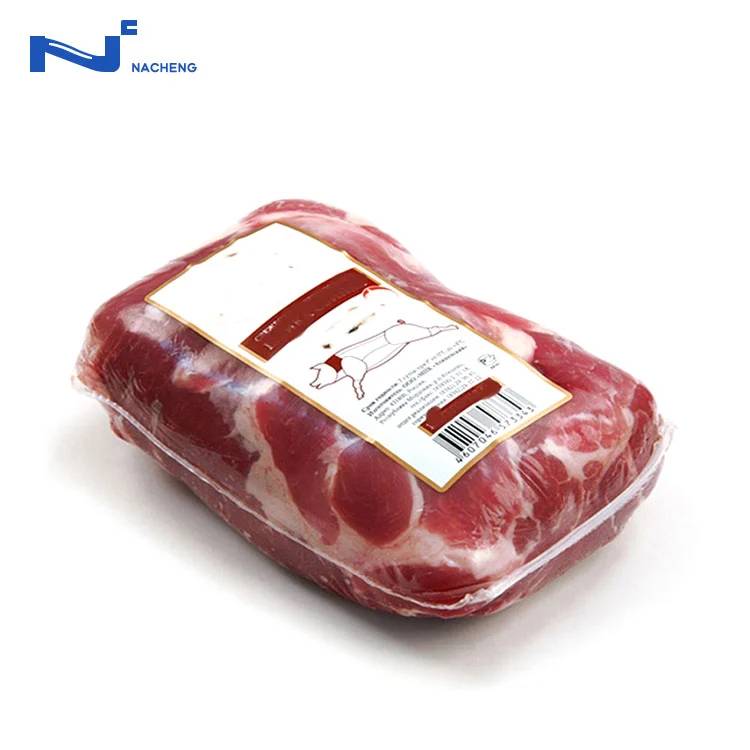
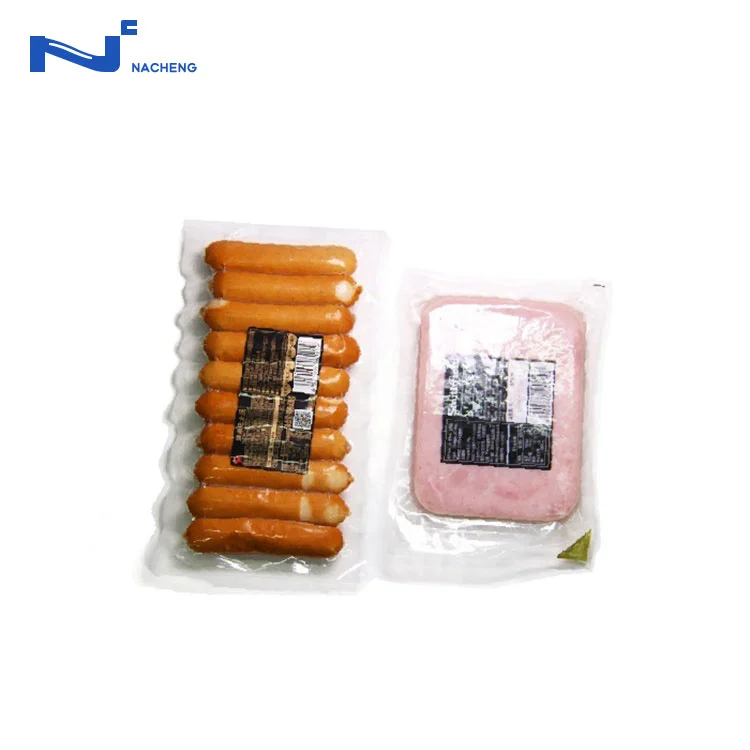
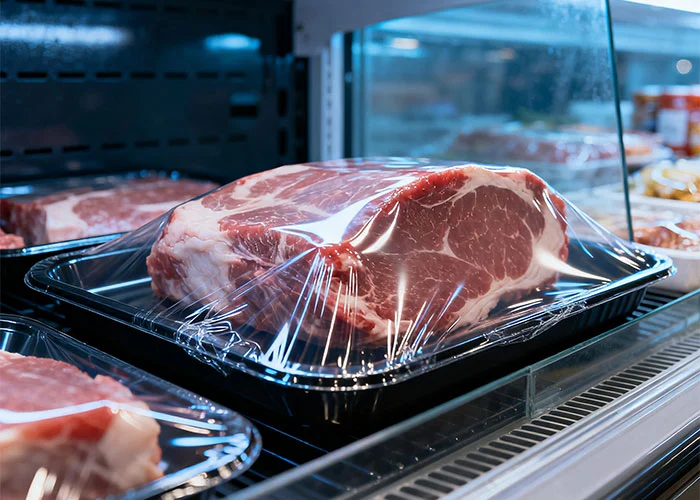
Vacuum packaging reduces the amount of air surrounding the product. For example, meat, seafood, cheese, cooked foods, and prepared ingredients can be packaged in a compact sealed environment rather than being exposed to air inside conventional containers or loose packaging.
However, vacuum packaging should not be treated as a substitute for proper food safety. Temperature control, sanitation, processing conditions, and appropriate storage times remain essential. The bag is part of the preservation system, not the entire system.
What Makes a Good Food Vacuum Bag?
A reliable vacuum bag needs to perform several functions at the same time. It must withstand the vacuum process, maintain a strong seal, provide sufficient barrier protection, and resist punctures or leakage during handling.
Barrier Performance
The material structure should provide an appropriate barrier against oxygen and moisture. High-barrier construction is particularly important for products that are sensitive to oxidation, moisture loss, or external odors.
Seal Strength
A strong seal is critical because even a small leak can allow air to enter after vacuum packaging. Seal performance depends on the bag material, sealing temperature, dwell time, pressure, and the condition of the sealing equipment.
Puncture Resistance
Sharp bones, shells, frozen edges, and hard food particles can damage weak packaging. For meat and seafood applications, puncture resistance should be considered together with bag thickness and material construction rather than using thickness alone as the purchasing standard.
Flexibility and Conformability
A flexible bag can conform more closely to the shape of the product, helping the vacuum process remove air efficiently and reducing unnecessary packaging volume. This can also improve storage efficiency in refrigerators, freezers, and transport cartons.
Choosing Vacuum Bags for Different Food Applications
| Food Application | Important Bag Requirements | Key Selection Considerations |
|---|---|---|
| Fresh Meat | High seal strength, puncture resistance, good oxygen barrier | Consider bones, product weight, and storage temperature |
| Seafood | Moisture resistance, strong seals, puncture resistance | Choose suitable construction for shells, fins, and irregular shapes |
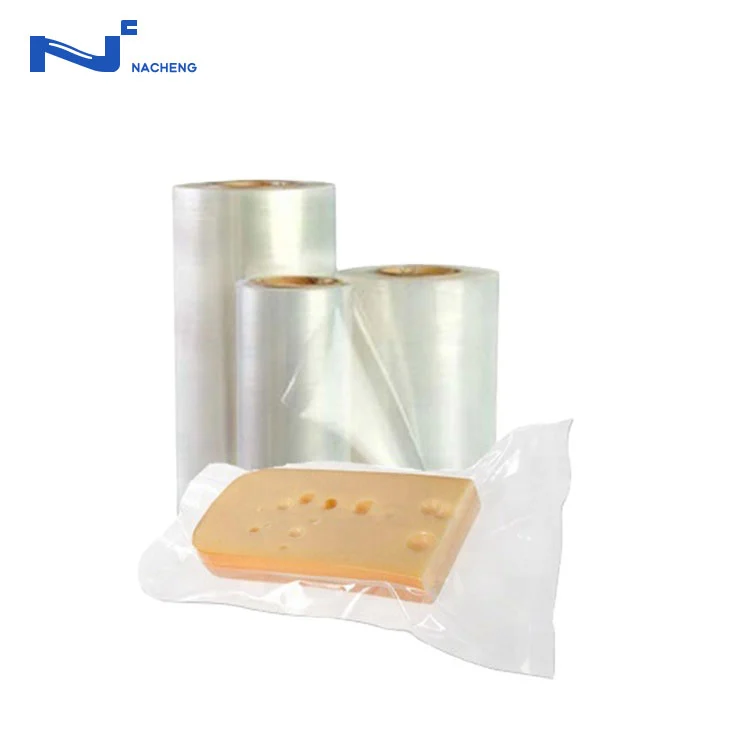
| Cheese | Good oxygen and moisture barrier | Match barrier performance with cheese type and storage conditions |
| Cooked Food | Reliable sealing and food-contact suitability | Consider filling temperature and subsequent storage method |
| Frozen Food | Cold-temperature durability and impact resistance | Test flexibility and seal integrity after freezing |
| Prepared Ingredients | Flexible construction and consistent sealing | Choose dimensions that minimize excess packaging material |
Vacuum Bag Material Matters More Than Thickness Alone
When comparing food vacuum bags, buyers often focus on thickness first. Thickness is useful, but it does not tell the complete story. Two bags with similar thickness can have very different barrier, sealing, flexibility, and puncture-resistance characteristics because their material structures and manufacturing processes may differ.
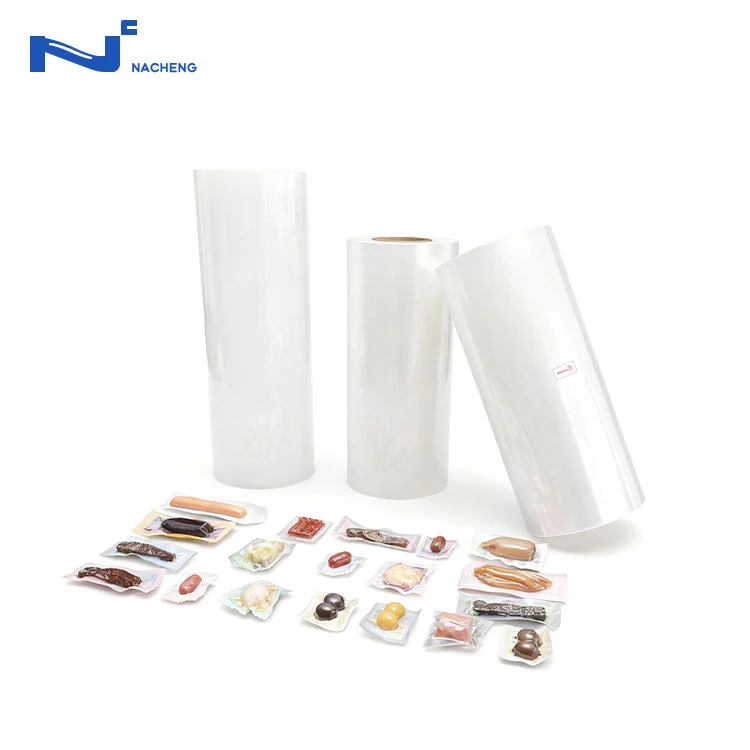
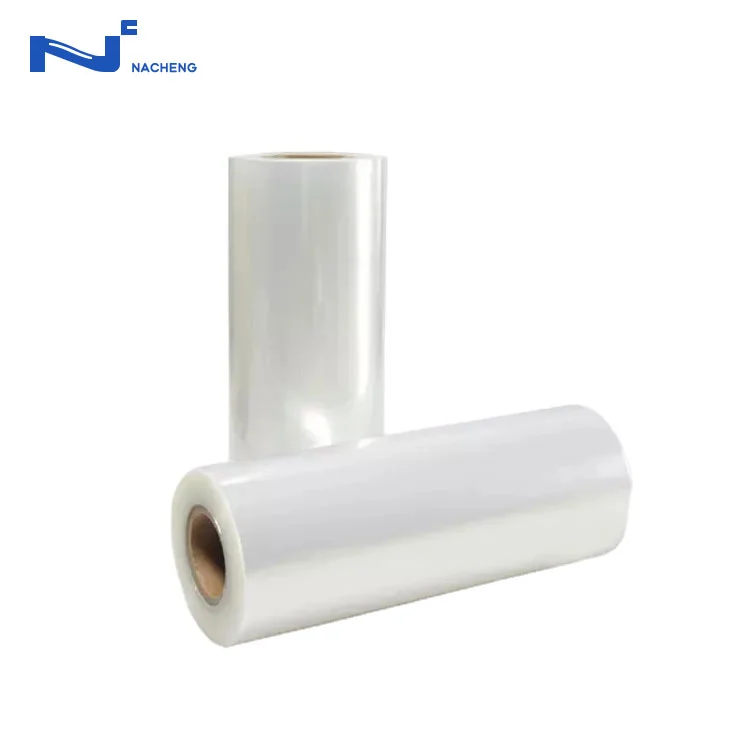
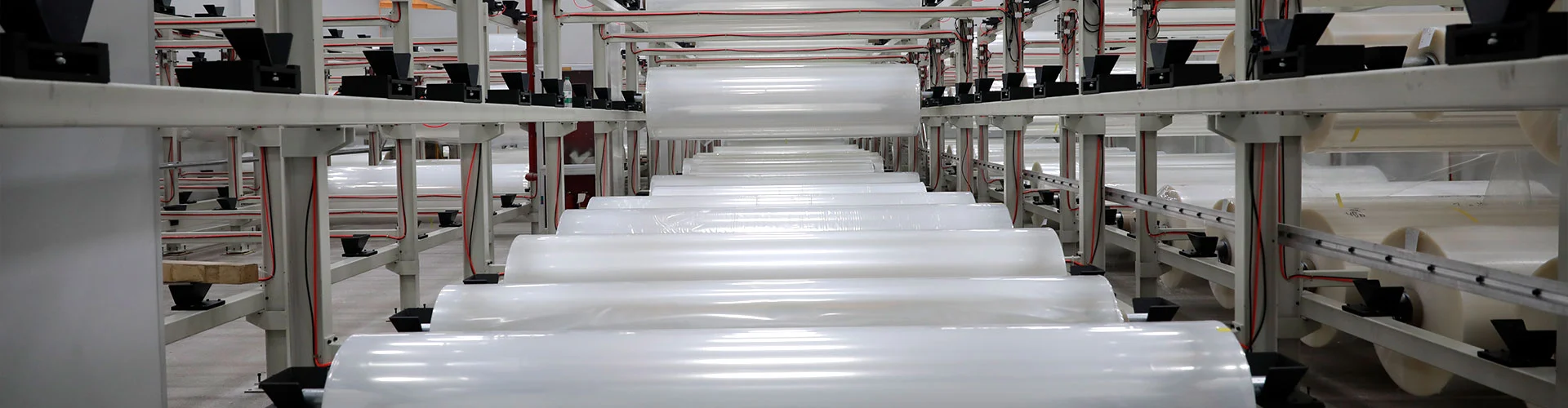
Many professional vacuum packaging applications use multilayer structures. Different layers can provide different functions, such as mechanical strength, heat sealing, flexibility, and resistance to oxygen or moisture transmission.
For commercial buyers, it is therefore better to evaluate the complete material specification and intended application rather than selecting the thickest or lowest-cost bag available.
How to Select the Correct Vacuum Bag Size
Oversized bags increase material consumption and packaging volume, while bags that are too small can make vacuum sealing difficult and may place unnecessary stress on the seal.
When selecting dimensions, consider the product's length, width, height, shape, and filling method. Additional space is normally required around the product so that the bag can be positioned correctly inside the vacuum chamber or sealing area.
For irregular products such as whole cuts of meat, seafood, or prepared foods, it is particularly important to test actual samples. A theoretical size calculation may not account for folds, sharp edges, liquid, or the way the product settles during vacuuming.
Vacuum Packaging Performance Depends on the Sealing Process
Even a high-quality vacuum bag can fail if the sealing process is poorly controlled. Common problems include incomplete seals, wrinkles across the sealing area, trapped food particles, excessive sealing temperature, and insufficient sealing time.
For production environments, operators should pay attention to several practical factors:
- Keep the sealing area clean and free from food residue.
- Make sure the bag opening is positioned correctly before sealing.
- Use sealing parameters recommended for the selected bag structure.
- Check vacuum levels and sealing consistency regularly.
- Inspect seals for wrinkles, channels, weak areas, or incomplete bonding.
- Conduct leak or seal-integrity checks when packaging is used for demanding applications.
Consistent packaging results come from matching the bag with the vacuum machine and controlling the entire sealing process.
Common Vacuum Bag Problems and What They Usually Mean
Air Returns After Sealing
If a bag appears properly vacuumed but gradually fills with air, the first areas to inspect are the seal, bag surface, and possible puncture points. A small channel caused by wrinkles or contamination can be enough to compromise the package.
Bag Punctures During Handling
Punctures are often associated with sharp product edges, excessive compression, rough handling, or insufficient mechanical strength. For these applications, a stronger material structure may be more effective than simply increasing bag thickness.
Weak or Inconsistent Seals
Inconsistent seals can result from incorrect sealing temperature, insufficient sealing time, contamination, uneven pressure, or incompatibility between the machine settings and bag material. Production teams should investigate the process rather than automatically replacing the entire bag specification.
Excessive Wrinkling
Wrinkles around the sealing area can create potential leakage paths. Correct bag sizing, product positioning, and proper machine operation can reduce this problem.
What Food Businesses Should Check Before Bulk Purchasing
For wholesalers and commercial food users, sample testing is one of the most effective ways to reduce packaging risk before placing a large order.
Test the actual food product using the intended vacuum machine and storage conditions. Check the package immediately after sealing and again after refrigeration or freezing. Pay particular attention to seal integrity, puncture resistance, appearance, vacuum retention, and ease of operation.
For large-volume purchasing, buyers should also confirm material specifications, available sizes, thickness options, packaging quantities, production consistency, and customization capabilities. Stable quality between batches is especially important when vacuum bags are used on automated or high-volume packaging lines.
Why Food Vacuum Bags Are Valuable for Commercial Packaging
For food manufacturers and distributors, vacuum bags can offer benefits beyond freshness preservation. Compact packaging can help reduce unnecessary package volume, improve product presentation, and make products easier to organize during refrigerated or frozen transportation.
Vacuum packaging is also suitable for portion control. Meat, seafood, prepared meals, and ingredients can be divided into standardized portions before storage, helping restaurants and food-service businesses simplify inventory management and preparation.
For retail products, transparent vacuum bags can also allow customers to see the food directly, making product condition and presentation easier to evaluate.
Questions to Ask a Vacuum Bag Manufacturer Before Ordering
Is the bag suitable for my vacuum packaging machine?
Confirm whether the bag format and sealing characteristics are compatible with your equipment, especially when changing suppliers or switching between packaging machines.
What material structure is used?
Ask for the complete material construction rather than only the thickness. The structure determines important properties such as oxygen barrier, moisture resistance, flexibility, and mechanical strength.
Can the bag be customized?
For commercial packaging, manufacturers may offer customized dimensions, thicknesses, printing, packaging quantities, and other specifications according to application requirements.
Can samples be provided for testing?
Samples allow buyers to test the actual food product, machine settings, storage temperature, and handling conditions before committing to a large order.
Food Vacuum Bags for Freshness Preservation: A Practical Purchasing Approach
The best vacuum bag is not necessarily the thickest or cheapest option. It is the bag that provides the right combination of barrier protection, seal strength, flexibility, puncture resistance, size, and machine compatibility for the specific food application.
For businesses purchasing vacuum bags in volume, starting with the food type and packaging process is a more reliable approach than selecting a specification based only on appearance or price. By testing the complete packaging system under real storage and handling conditions, buyers can reduce leakage problems, material waste, and unexpected packaging failures.
If you are sourcing Food Vacuum Bags for Freshness Preservation for meat, seafood, prepared foods, frozen products, or commercial food packaging, working directly with an experienced manufacturer can make it easier to match bag construction, dimensions, and performance requirements to your production process.
Previous :
-
Related News
- What Is Vacuum Thermoforming Film and How Does It Work
- What Is Barrier Thermoforming Film and Why Is It Critical for Modern Packaging
- How Do Nylon Vacuum Bags Improve Food Preservation and Packaging Efficiency
- What Makes a Vacuum Shrink Bag Essential for Packaging Efficiency?
- What Makes a Barrier Shrink Bag the Ideal Choice for Premium Food Packaging?
- Why Choose EVOH and Nylon in Shrink Bag Construction?
Leave me a message