What Is Vacuum Thermoforming Film and How Does It Work
Vacuum thermoforming film plays a critical role in modern packaging, especially in food, medical, and industrial applications where freshness, protection, and presentation matter. In this in-depth guide, I will explain what vacuum thermoforming film is, how it works, its material structure, key advantages, real-world applications, and how to choose the right film for your production line. We also reference professional solutions provided by Nacheng to help you make informed decisions.
Table of Contents
- What Is Vacuum Thermoforming Film?
- How Does Vacuum Thermoforming Film Work?
- Key Materials Used in Vacuum Thermoforming Film
- Main Benefits of Vacuum Thermoforming Film
- Common Applications Across Industries
- Barrier Properties and Performance Factors
- Vacuum Thermoforming Film vs Other Packaging Films
- How to Choose the Right Vacuum Thermoforming Film
- Frequently Asked Questions
1. What Is Vacuum Thermoforming Film?
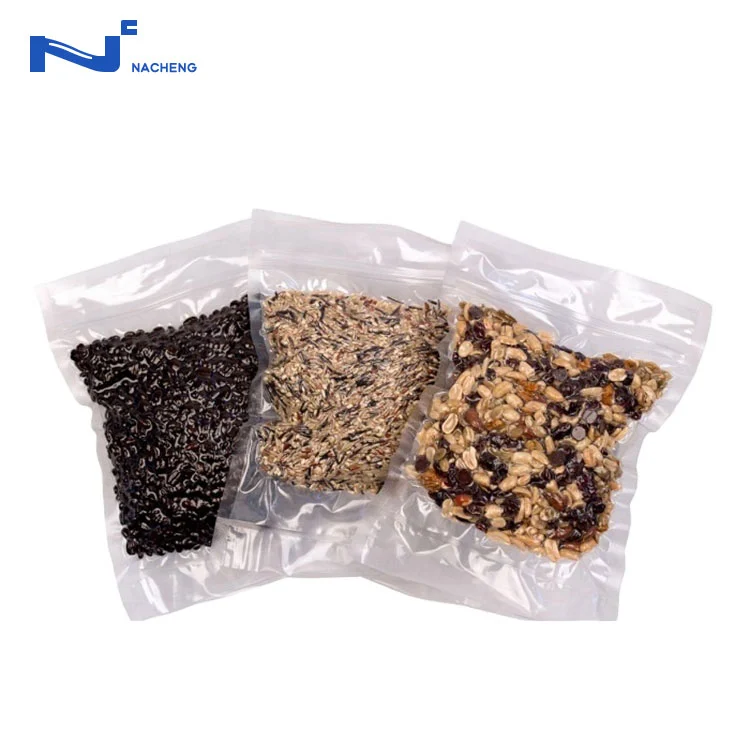
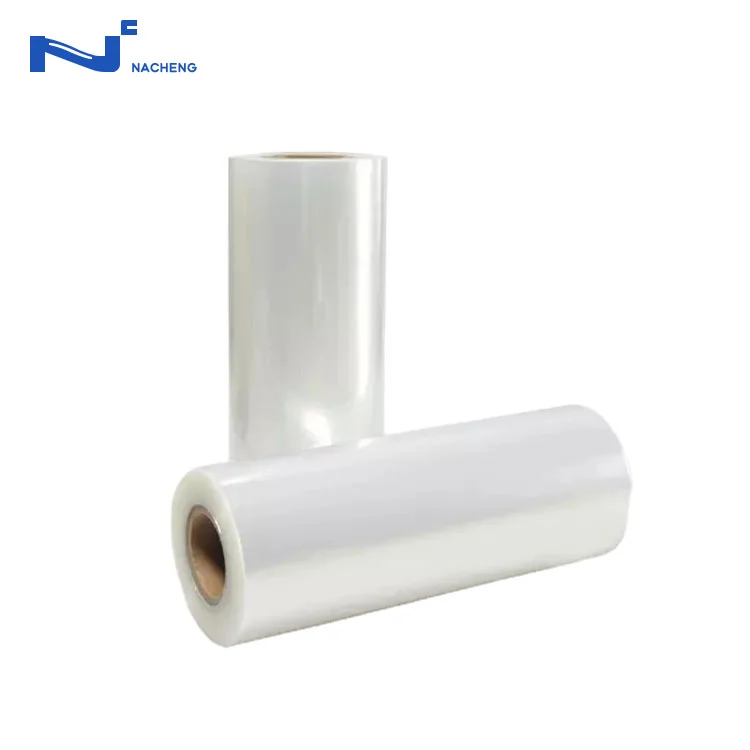
Vacuum thermoforming film is a type of flexible packaging film specifically designed for thermoforming and vacuum packaging machines. During the packaging process, the film is heated, shaped into a cavity, filled with product, and then vacuum-sealed with a top film.
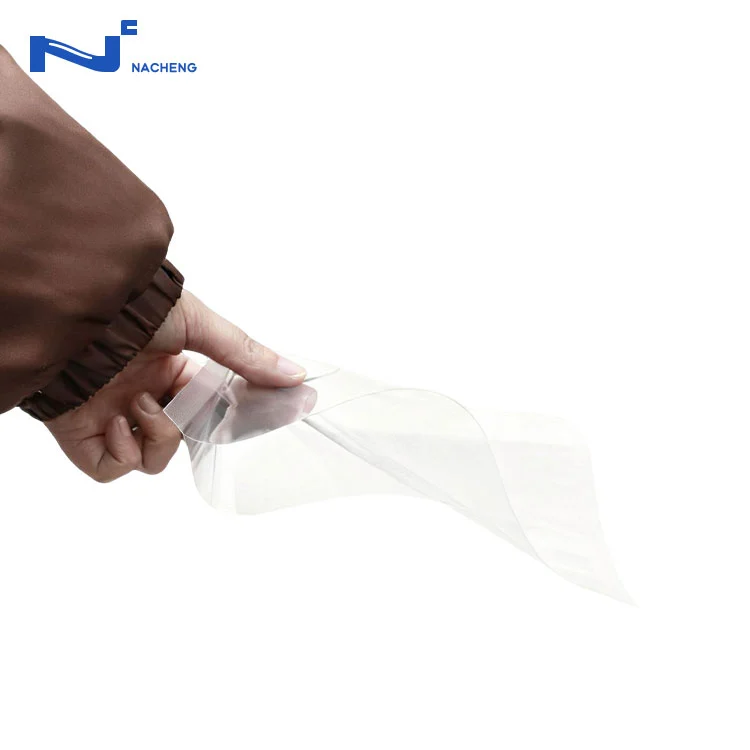
Unlike ordinary flat packaging films, vacuum thermoforming film must offer excellent formability, thickness consistency, and mechanical strength. These characteristics ensure that the film can stretch evenly without tearing while maintaining a tight seal around the product.
According to professional manufacturers such as vacuum thermoforming film specialists , this type of film is widely used in high-speed automated packaging lines.
2. How Does Vacuum Thermoforming Film Work?
To understand how vacuum thermoforming film works, it helps to look at the packaging process step by step.
- The bottom film is heated to a controlled temperature.
- Vacuum pressure pulls the softened film into a mold cavity.
- The formed cavity is filled with the product.
- Air is removed, and a top film seals the package.
This process creates a tight, custom-fit package that minimizes oxygen exposure and maximizes shelf life. Vacuum thermoforming film must maintain stability under heat and pressure while delivering consistent forming depth.
3. Key Materials Used in Vacuum Thermoforming Film
Vacuum thermoforming film is typically made from multilayer structures, each layer serving a specific function.
| Material | Function |
|---|---|
| PA (Nylon) | Provides strength and puncture resistance |
| PE (Polyethylene) | Ensures heat sealing and flexibility |
| EVOH | Offers excellent oxygen barrier properties |
By combining these materials, vacuum thermoforming film achieves a balance between durability, clarity, and barrier performance.
4. Main Benefits of Vacuum Thermoforming Film
- Extended shelf life through oxygen reduction
- Custom-fit packaging for improved product presentation
- High mechanical strength for transportation safety
- Compatibility with automated packaging systems
- Material efficiency and reduced waste
From my experience, businesses that switch to vacuum thermoforming film often see improved consistency and lower overall packaging costs.
5. Common Applications Across Industries
Vacuum thermoforming film is widely used across multiple industries due to its versatility.
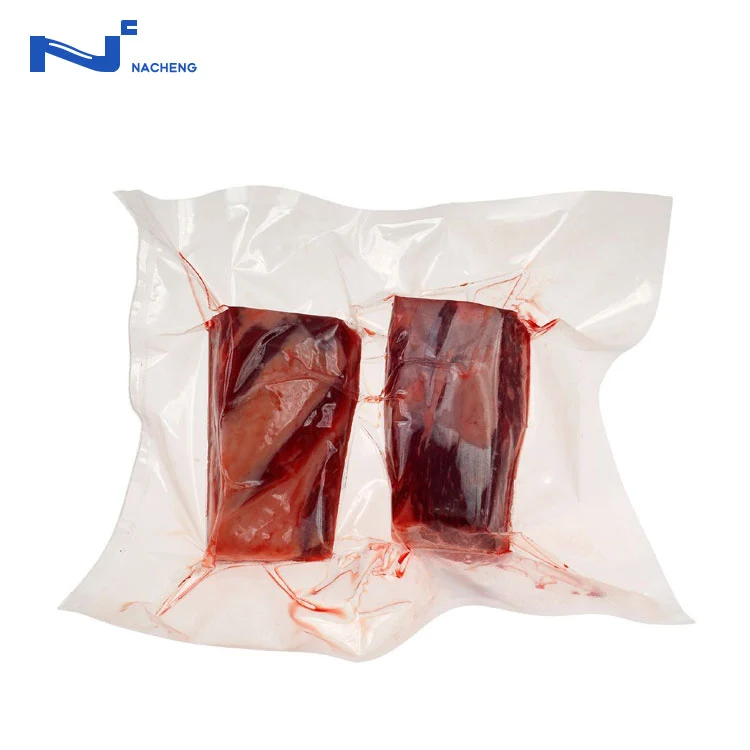
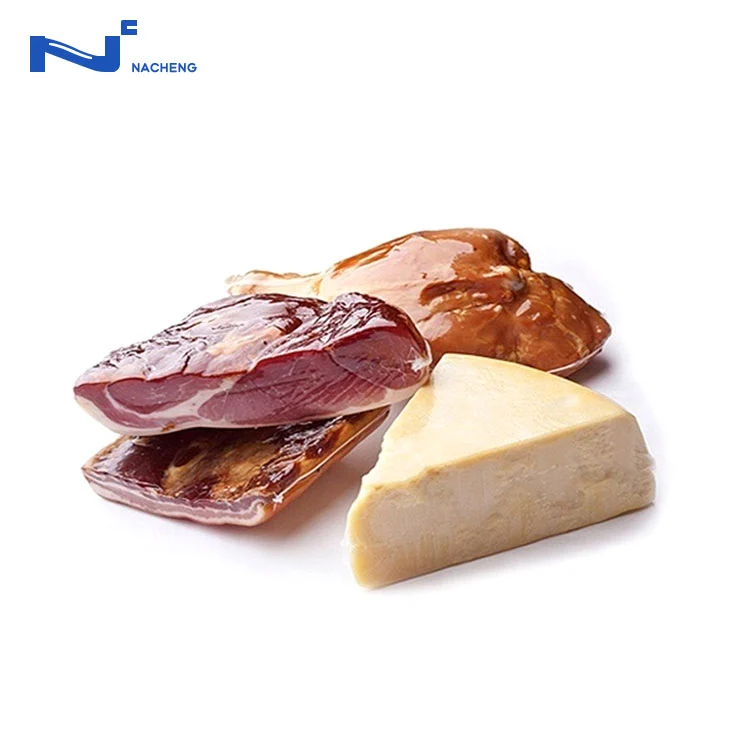
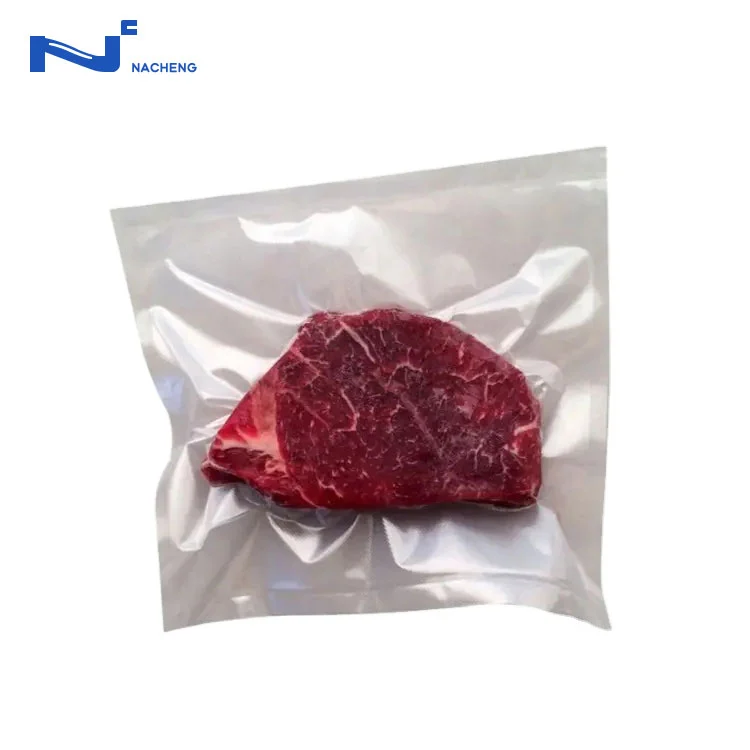
- Fresh and processed meat packaging
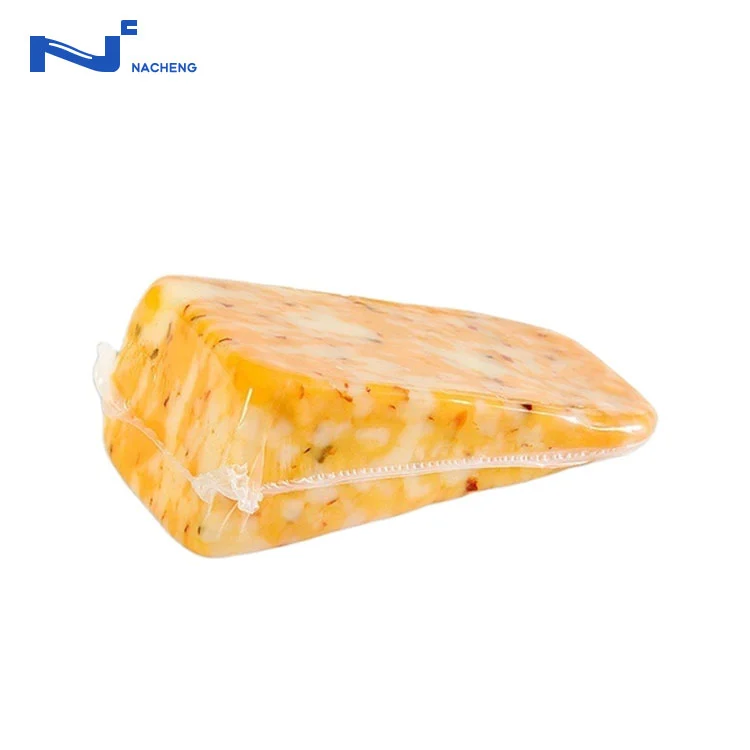
- Cheese and dairy products
- Seafood packaging
- Medical devices and sterile supplies
- Industrial components
Manufacturers like Nacheng focus on developing films that meet strict regulatory and performance standards in these sectors.
6. Barrier Properties and Performance Factors
Barrier performance is one of the most critical aspects of vacuum thermoforming film. Oxygen, moisture, and light barriers directly influence product shelf life.
Films with EVOH layers are especially effective in oxygen-sensitive applications. Choosing the right barrier level depends on the product’s sensitivity and storage conditions.
7. Vacuum Thermoforming Film vs Other Packaging Films
| Film Type | Main Advantage | Limitations |
|---|---|---|
| Vacuum Thermoforming Film | Custom shaping and strong sealing | Requires thermoforming equipment |
| Flat Vacuum Film | Simple packaging process | Limited shape flexibility |
| Skin Packaging Film | Excellent product visibility | Higher material cost |
8. How to Choose the Right Vacuum Thermoforming Film
Selecting the right vacuum thermoforming film involves evaluating your product type, shelf-life requirements, equipment compatibility, and budget.
- Define your product’s barrier needs
- Confirm forming depth and thickness requirements
- Check machine compatibility
- Work with a reliable supplier like Nacheng
Frequently Asked Questions
Is vacuum thermoforming film food-safe?
Yes, high-quality vacuum thermoforming film is manufactured according to international food safety standards.
Can vacuum thermoforming film be recycled?
Some structures are recyclable, depending on material composition and local regulations.
What thickness is best for vacuum thermoforming film?
Thickness depends on product weight, forming depth, and barrier requirements.
Final Thoughts
Vacuum thermoforming film is more than just packaging material—it is a strategic solution for protecting products, extending shelf life, and improving operational efficiency. If you are looking for reliable, high-performance vacuum thermoforming film solutions, working with an experienced supplier like Nacheng can make a measurable difference.
If you want tailored recommendations or technical support for your packaging project, don’t hesitate to contact us and explore how vacuum thermoforming film can elevate your packaging strategy.
Related News
- Food Vacuum Bags for Freshness Preservation: How to Choose the Right Bag for Different Foods
- What Is Barrier Thermoforming Film and Why Is It Critical for Modern Packaging
- How Do Nylon Vacuum Bags Improve Food Preservation and Packaging Efficiency
- What Makes a Vacuum Shrink Bag Essential for Packaging Efficiency?
- What Makes a Barrier Shrink Bag the Ideal Choice for Premium Food Packaging?
- Why Choose EVOH and Nylon in Shrink Bag Construction?
Leave me a message