What Is Barrier Thermoforming Film and Why Is It Critical for Modern Packaging
Barrier Thermoforming Film has become a cornerstone material in modern packaging, especially for food, medical, and industrial applications that demand extended shelf life, superior protection, and visual appeal. In this in-depth article, I will explain what Barrier Thermoforming Film is, how it works, why it matters, and how businesses can select the right solution for their packaging goals.
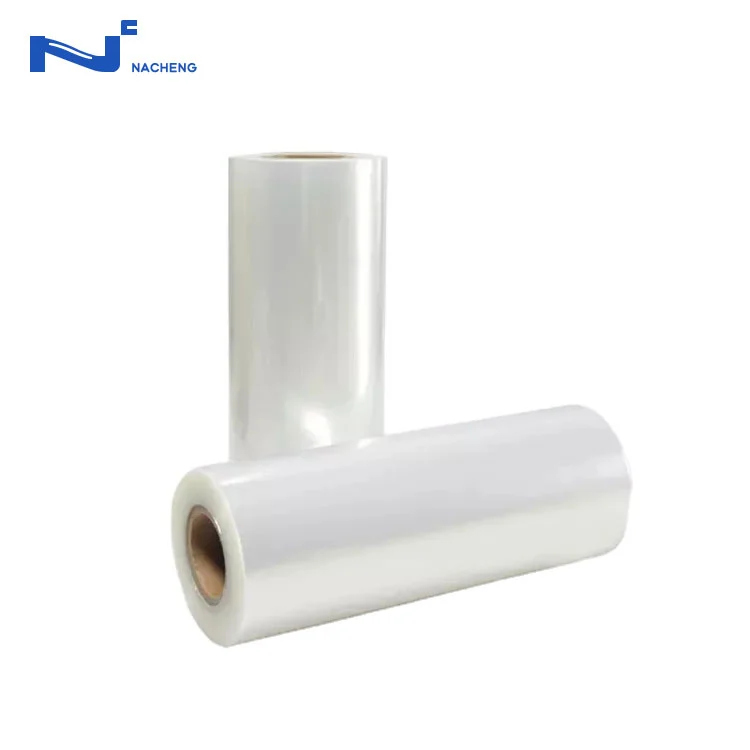
Table of Contents
- Understanding Barrier Thermoforming Film
- Material Structure and Barrier Properties
- Key Applications Across Industries
- Core Benefits for Modern Packaging
- Barrier Thermoforming Film vs Other Packaging Films
- How to Choose the Right Barrier Thermoforming Film
- Sustainability and Future Trends
- Frequently Asked Questions
Understanding Barrier Thermoforming Film
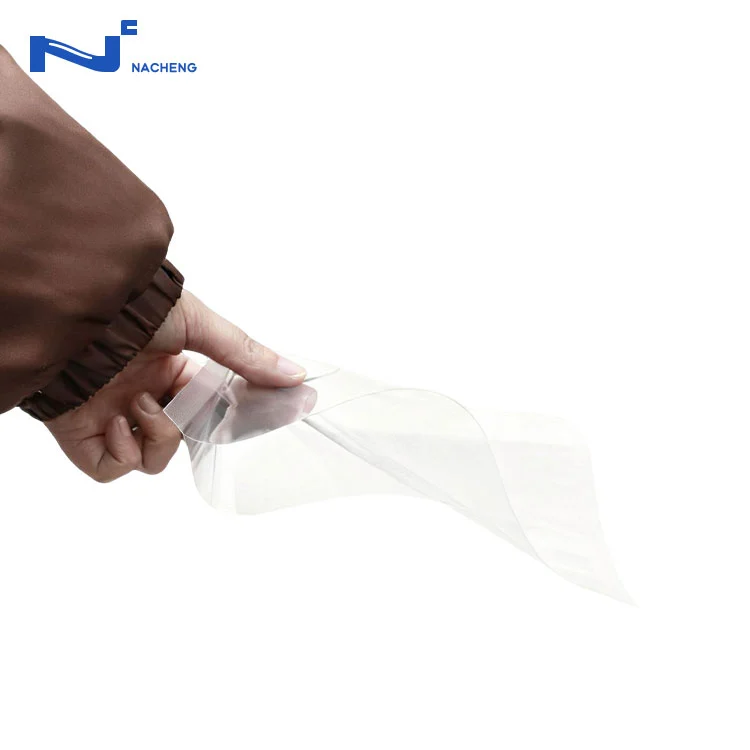
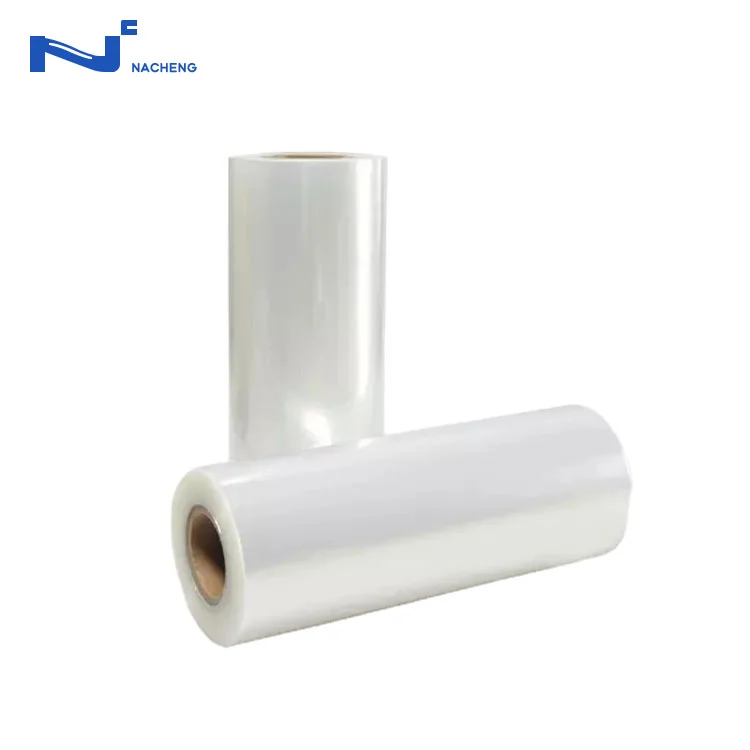
Barrier Thermoforming Film is a multi-layer plastic film engineered specifically for thermoforming processes, where heat and pressure are used to shape packaging trays or cavities. What sets it apart is its ability to provide exceptional resistance to oxygen, moisture, light, and gases.
From my experience in packaging projects, the real value of Barrier Thermoforming Film lies in its balance between formability and protection. Unlike basic forming films, it does not compromise barrier performance during deep drawing or complex shapes.
Manufacturers like Nacheng focus on precision material layering to ensure consistent performance across high-speed thermoforming lines.
Material Structure and Barrier Properties
A typical Barrier Thermoforming Film consists of multiple functional layers, each serving a specific role:
- Outer layer for mechanical strength and printability
- Barrier layer (EVOH, PA, or similar) to block oxygen and gases
- Seal layer compatible with top films
| Layer | Function | Impact on Performance |
|---|---|---|
| PA (Nylon) | Puncture resistance | Improves durability during transport |
| EVOH | Oxygen barrier | Extends shelf life |
| PE | Sealing and flexibility | Ensures reliable package integrity |
This layered structure allows Barrier Thermoforming Film to outperform mono-material films in demanding packaging environments.
Key Applications Across Industries
Barrier Thermoforming Film is widely used across multiple sectors due to its versatility:
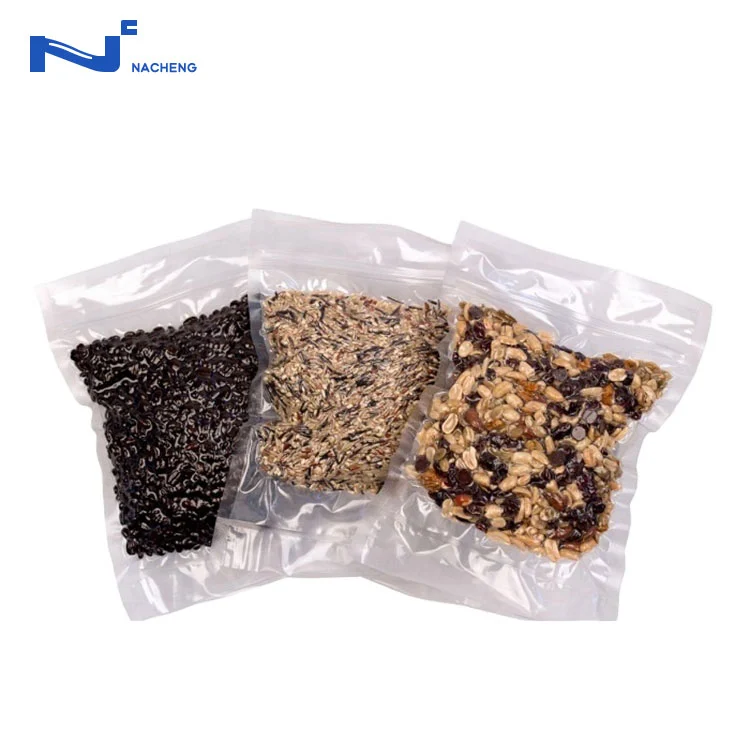
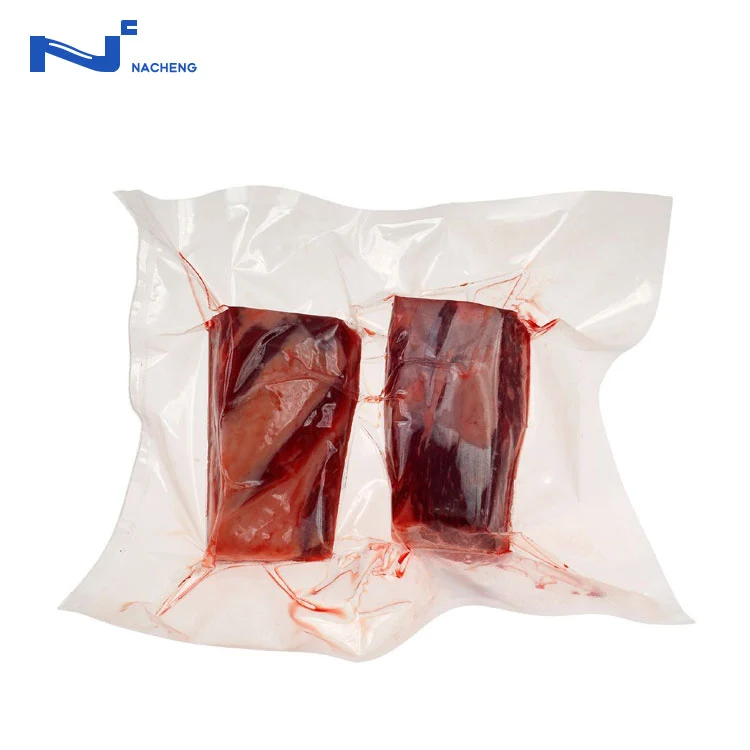
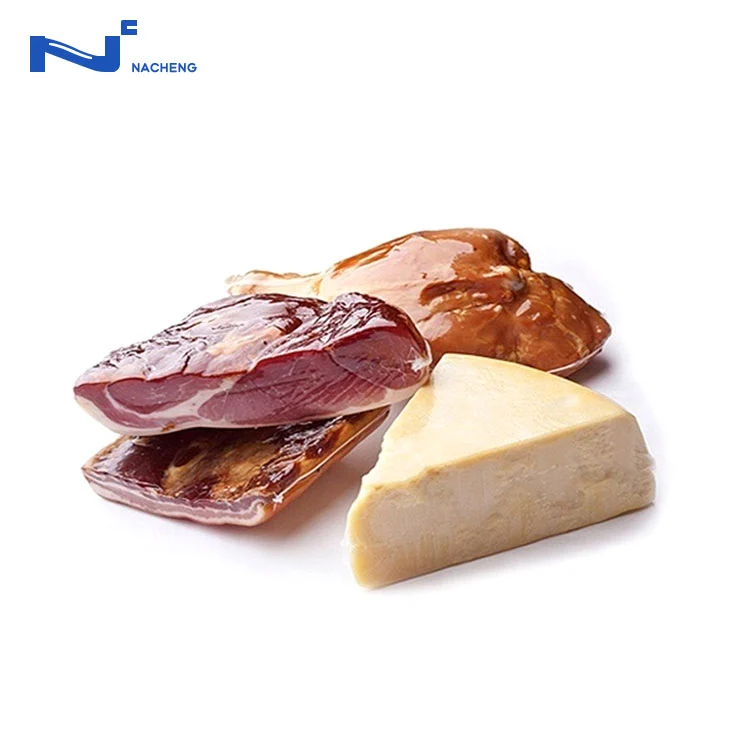
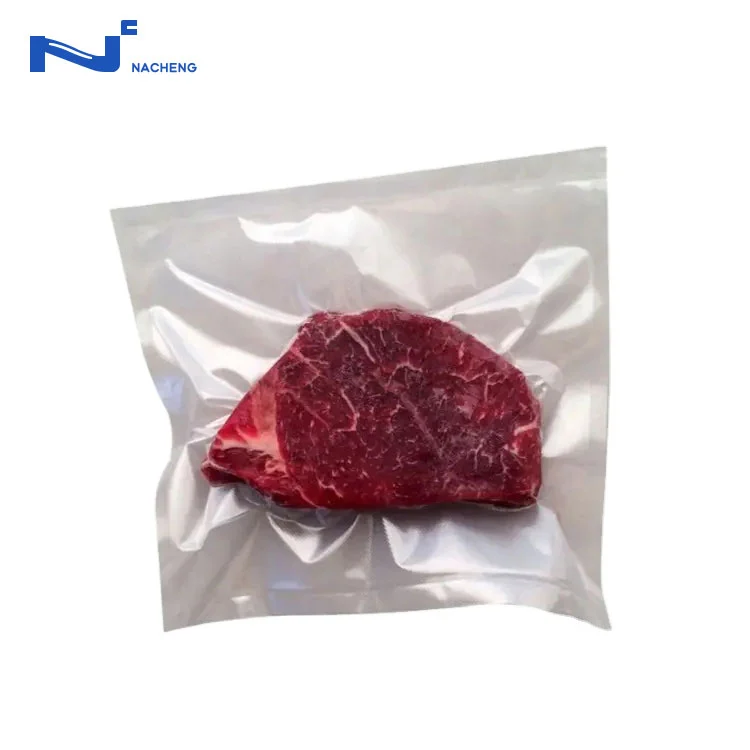
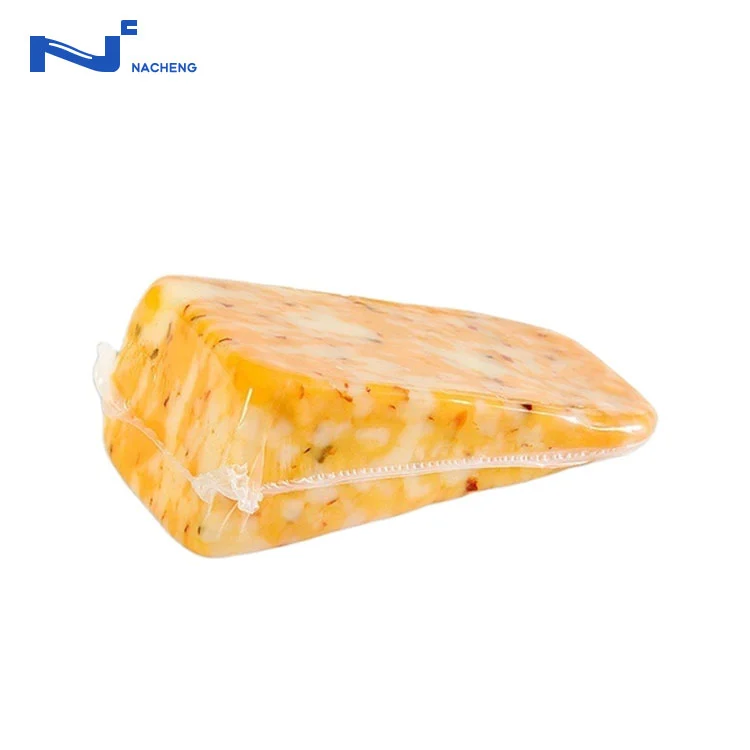
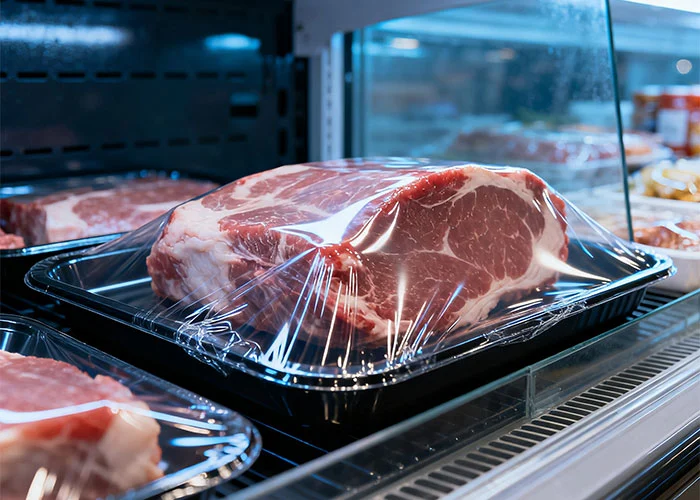
- Food Packaging: Meat, cheese, seafood, and ready meals
- Medical Packaging: Sterile devices and pharmaceutical components
- Industrial Packaging: Precision parts requiring corrosion protection
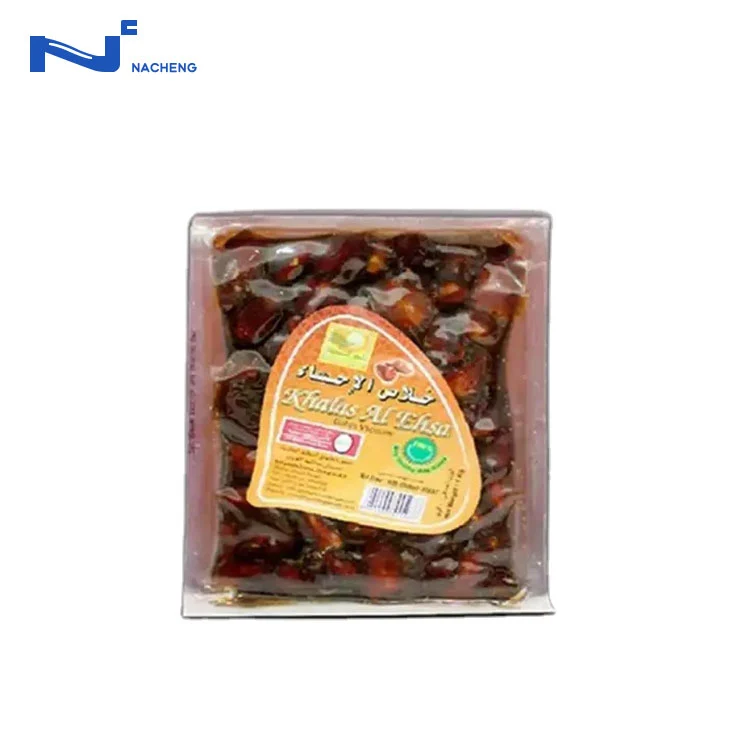
In food packaging especially, Barrier Thermoforming Film plays a critical role in modified atmosphere packaging (MAP), helping maintain freshness and visual quality.
For more technical specifications, you can explore this Barrier Thermoforming Film resource as an authoritative reference.
Core Benefits for Modern Packaging
The rise of Barrier Thermoforming Film is not accidental. It addresses several pain points faced by manufacturers and brand owners:
- Extended shelf life without preservatives
- Enhanced product visibility
- Compatibility with high-speed automation
- Reduced food waste
From a cost perspective, investing in a high-quality Barrier Thermoforming Film often results in long-term savings through reduced spoilage and returns.
Barrier Thermoforming Film vs Other Packaging Films
| Film Type | Barrier Performance | Formability | Typical Use |
|---|---|---|---|
| Barrier Thermoforming Film | High | Excellent | Fresh and premium products |
| Standard Forming Film | Low | Good | Short shelf-life items |
| Flexible Packaging Film | Medium | N/A | Non-rigid packaging |
How to Choose the Right Barrier Thermoforming Film
Selecting the right Barrier Thermoforming Film requires evaluating your product’s sensitivity, shelf-life goals, and packaging equipment.
- Determine required oxygen and moisture barrier levels
- Match film thickness to forming depth
- Ensure seal compatibility with top films
- Consider supplier expertise and consistency
Working with experienced manufacturers like Nacheng ensures technical support throughout development and production stages.
Sustainability and Future Trends
Sustainability is reshaping the packaging industry, and Barrier Thermoforming Film is evolving accordingly. Innovations include downgauging, recyclable structures, and bio-based materials.
In my view, the future of Barrier Thermoforming Film lies in balancing high performance with environmental responsibility, without sacrificing safety or efficiency.
Frequently Asked Questions
Is Barrier Thermoforming Film suitable for vacuum packaging?
Yes, it is highly compatible with vacuum and MAP applications due to its excellent gas barrier properties.
Can Barrier Thermoforming Film be customized?
Absolutely. Thickness, structure, and barrier layers can be tailored to specific product requirements.
Does Barrier Thermoforming Film support sustainability goals?
Modern solutions increasingly focus on recyclable and downgauged structures to reduce environmental impact.
Barrier Thermoforming Film is no longer just a packaging material—it is a strategic tool for protecting products, extending shelf life, and strengthening brand value. If you are exploring advanced packaging solutions tailored to your industry, Nacheng offers the expertise and innovation to support your goals.
To learn more about customized Barrier Thermoforming Film solutions and how they can elevate your packaging, contact us today and start optimizing your packaging performance with confidence.
Related News
- Food Vacuum Bags for Freshness Preservation: How to Choose the Right Bag for Different Foods
- What Is Vacuum Thermoforming Film and How Does It Work
- How Do Nylon Vacuum Bags Improve Food Preservation and Packaging Efficiency
- What Makes a Vacuum Shrink Bag Essential for Packaging Efficiency?
- What Makes a Barrier Shrink Bag the Ideal Choice for Premium Food Packaging?
- Why Choose EVOH and Nylon in Shrink Bag Construction?
Leave me a message